Care guides for the plants you actually own
Species-by-species care sheets, propagation walkthroughs and fixes for what has gone wrong — written for the plant in your room, not plants in general.
58 plants covered, and growing.
What’s wrong with your plant?
Start from what you can see. Most plant problems look alike and come down to two or three causes.
Popular plants
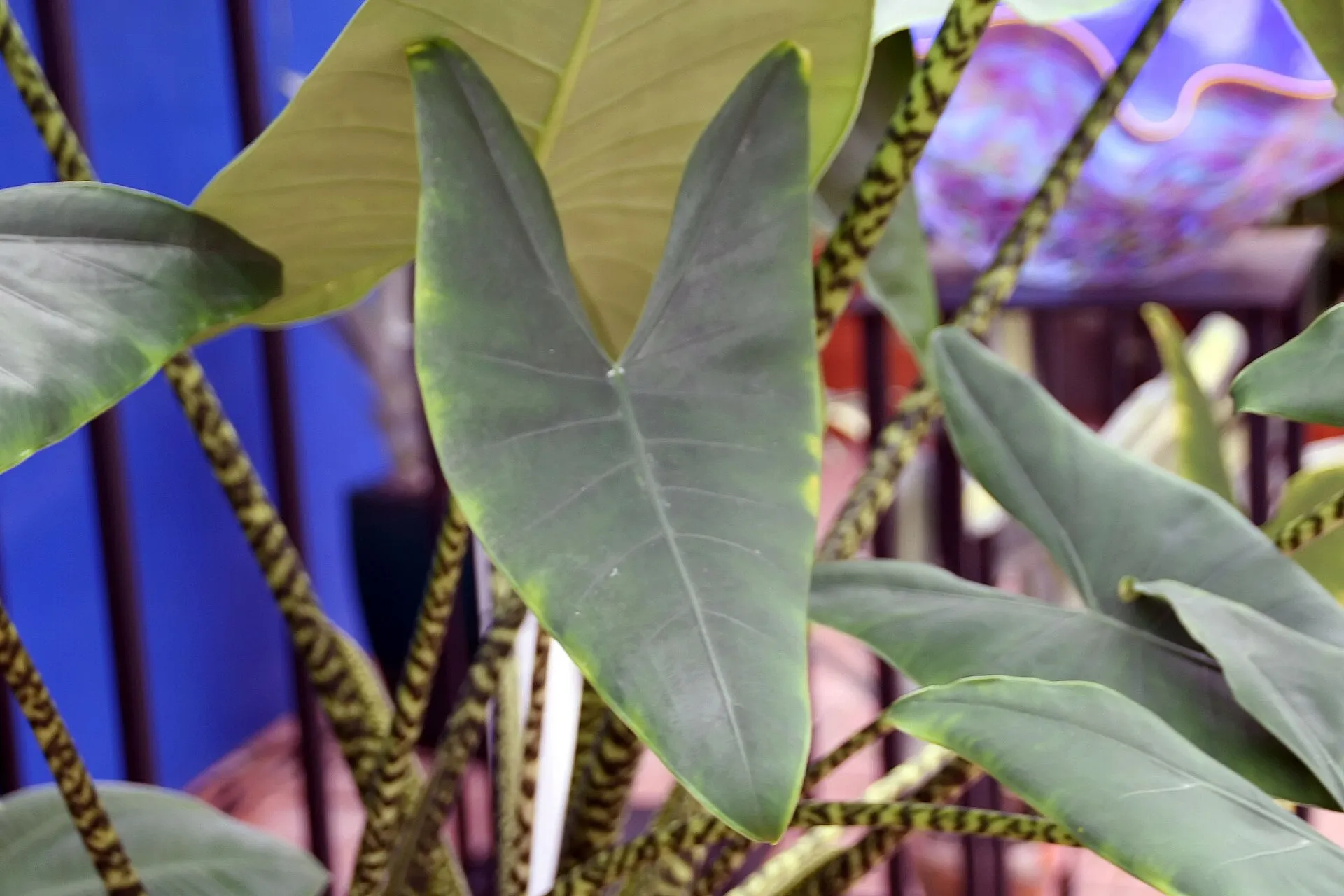
Alocasia zebrina
Zebra Plant
- Bright indirect
- Demanding
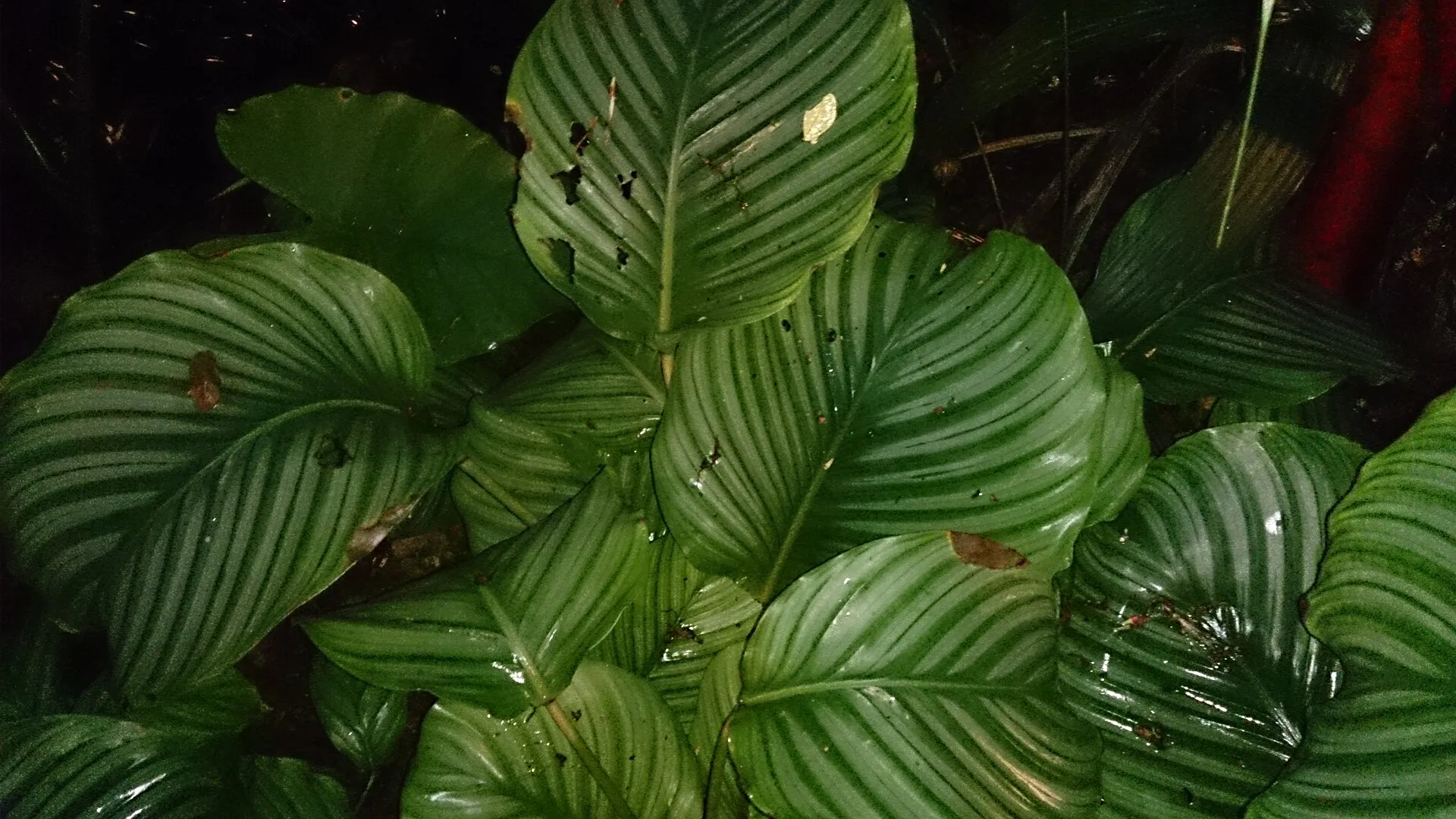
Calathea orbifolia
Prayer Plant
- Medium light
- Demanding
- Safe for pets and children
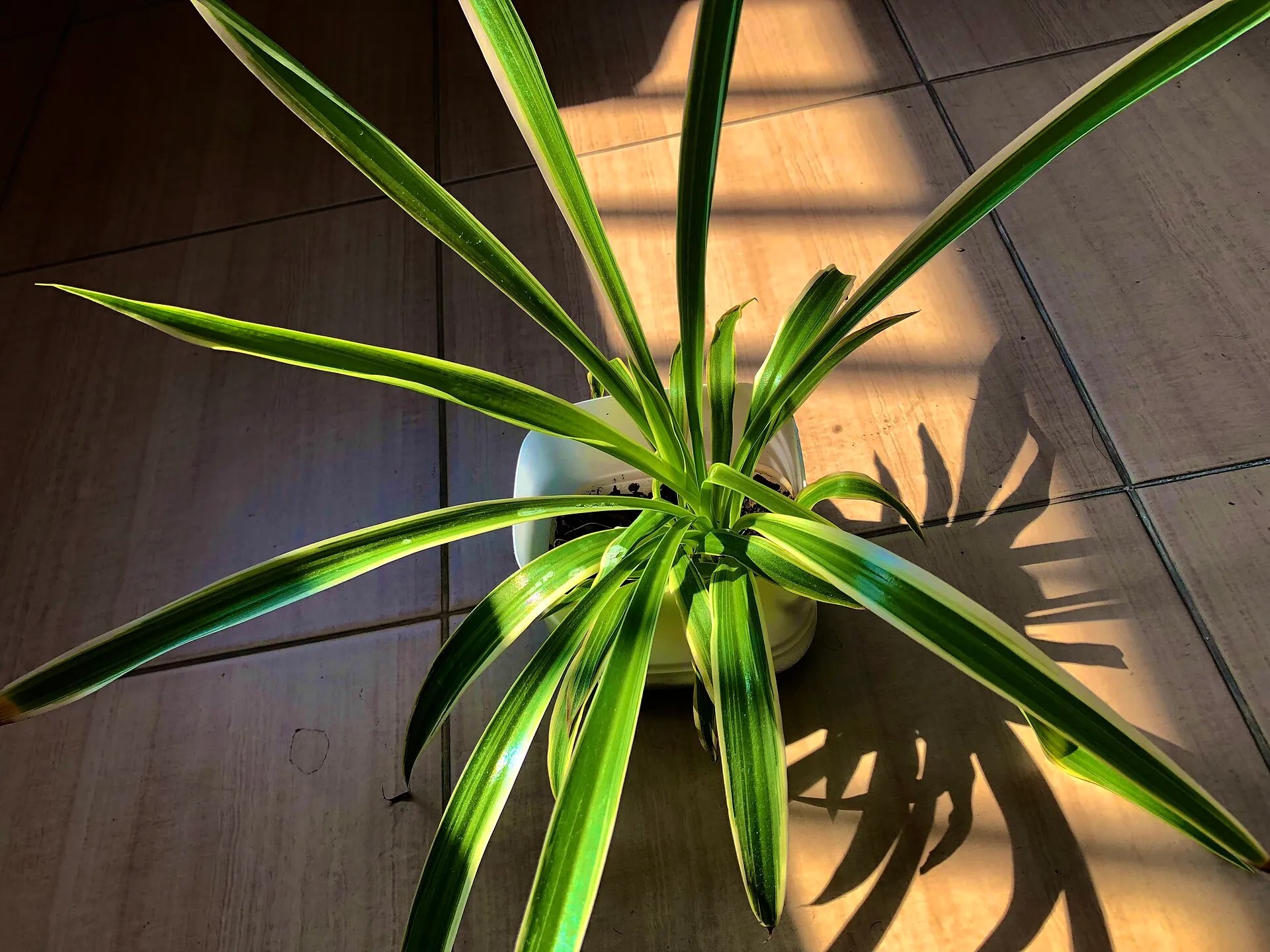
Chlorophytum comosum
Spider Plant
- Bright indirect
- Easy
- Safe for pets and children
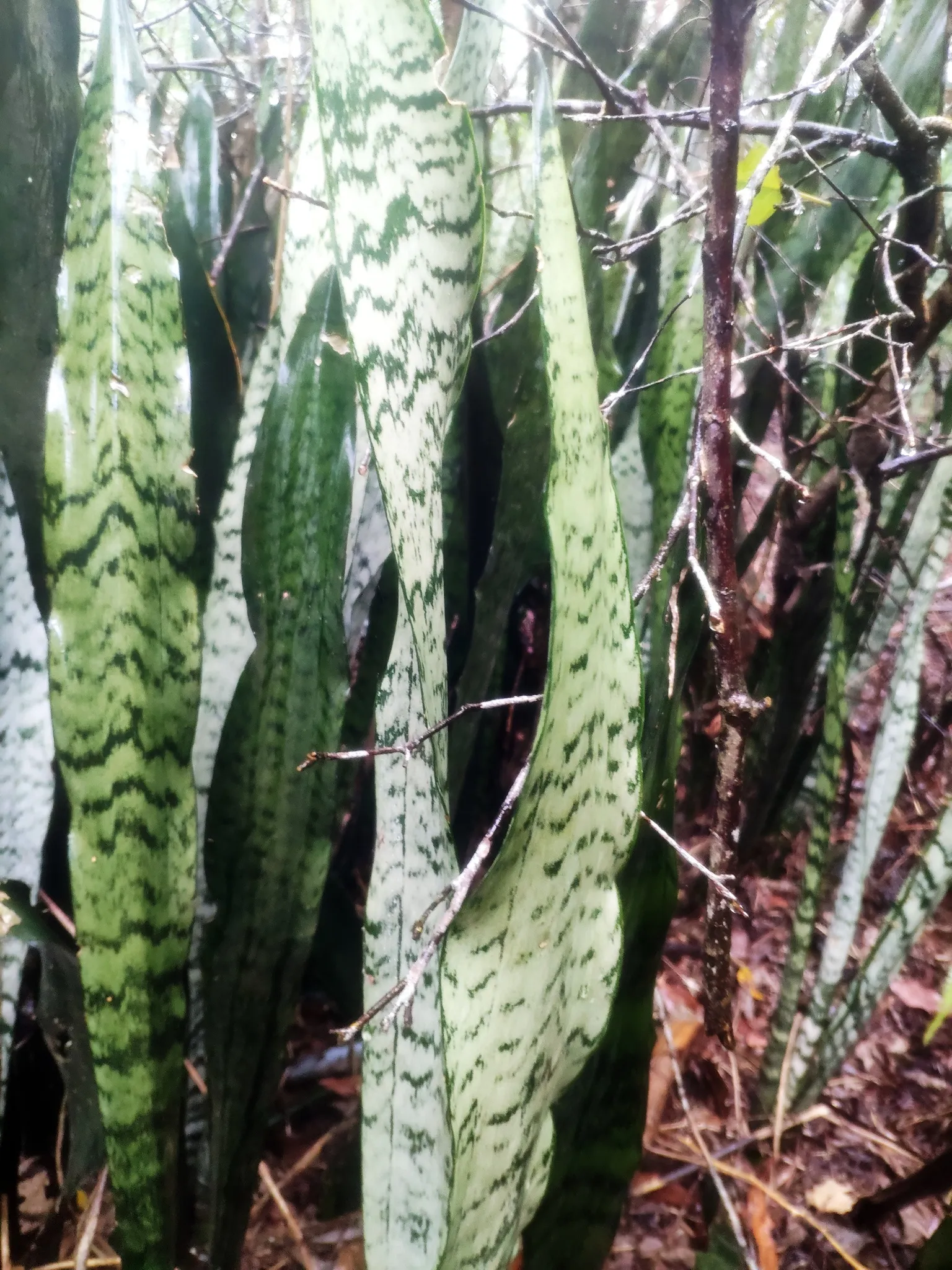
Dracaena trifasciata
Snake Plant
- Low light
- Easy
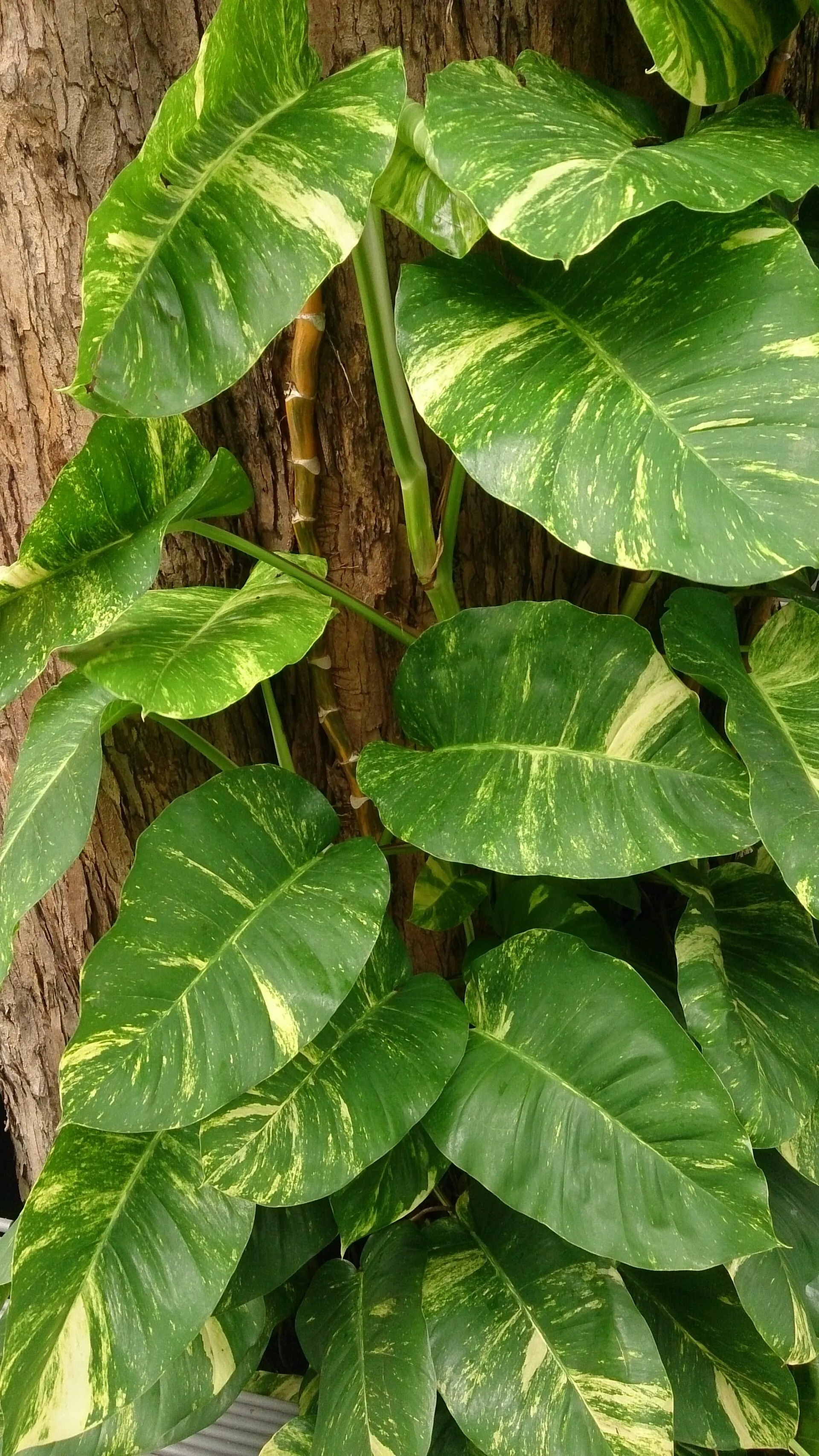
Epipremnum aureum
Golden Pothos
- Low light
- Easy
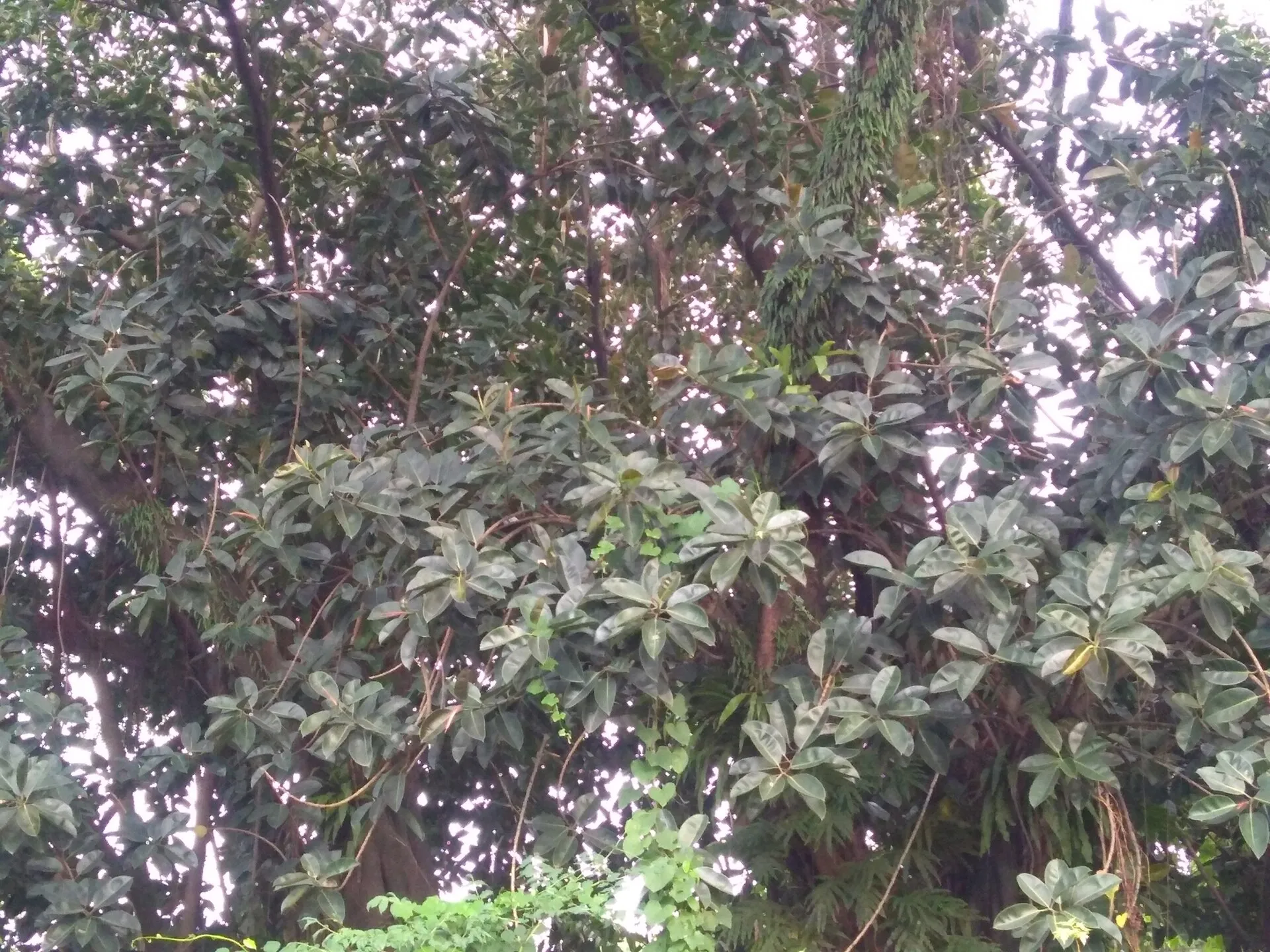
Ficus elastica
Rubber Plant
- Bright indirect
- Easy
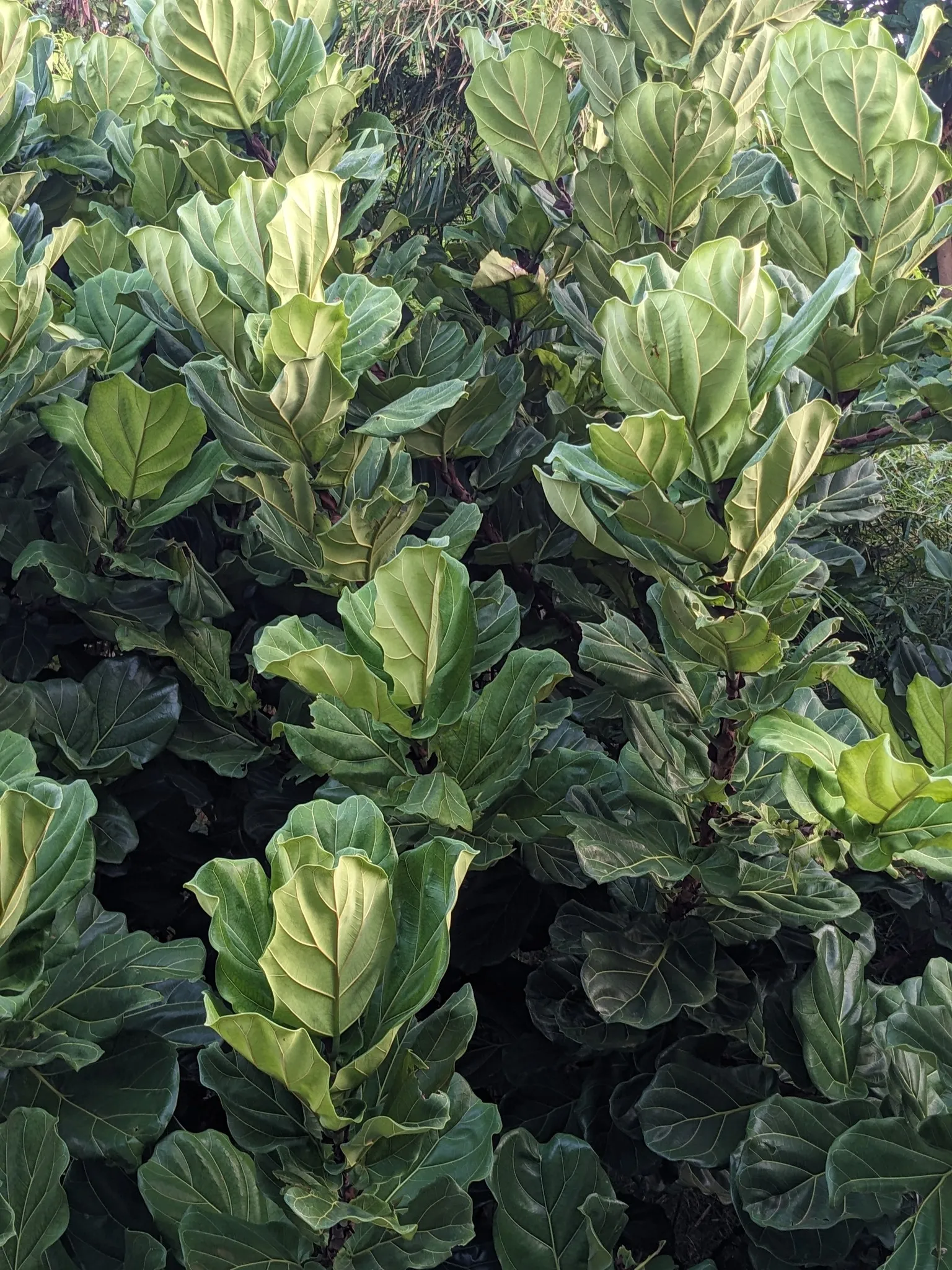
Ficus lyrata
Fiddle Leaf Fig
- Bright indirect
- Moderate
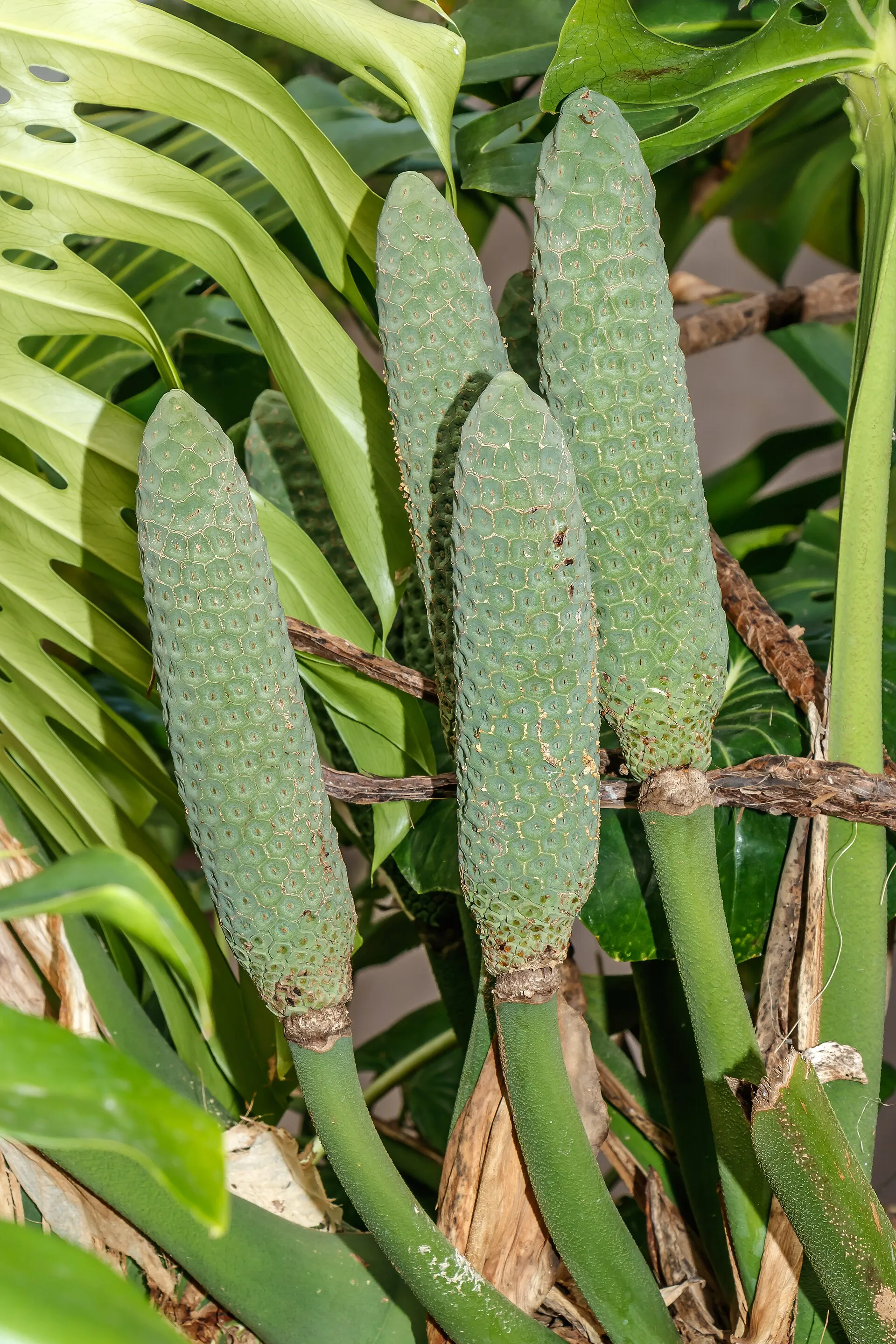
Monstera deliciosa
Swiss Cheese Plant
- Bright indirect
- Easy
Find a plant that fits
- The Best Low Light HouseplantsPlants that genuinely grow in dim rooms. not ones that merely survive there for a few months before giving up.
- Pet Safe Houseplants: Non-Toxic to Cats and DogsEvery plant on this list is non-toxic to cats and dogs. Filtered directly from our care data, so it stays accurate as the site grows.
- The Best Houseplants for BeginnersForgiving plants that recover from mistakes. Every one of these tells you clearly when something is wrong, and bounces back when you fix it.
Browse by genus
Varieties within a genus mostly want the same things, so start here and narrow down.
Guides by topic
- LightWhat bright indirect, medium and low light mean in real distances and window directions, so you can work out which spots in a room qualify.
- WateringMore houseplants are killed by watering than by everything else combined. How to tell when a plant needs water, how much to give it, and why a schedule is the wrong tool.
- HumidityWhy crispy leaf edges are almost always dry air, which plants genuinely need help, and why misting and pebble trays do far less than people think.
- SoilWhat each ingredient actually does, the three mixes that cover almost every houseplant, and why bagged compost on its own kills so many aroids.
- RepottingHow to tell a plant genuinely needs a bigger pot, why going up two sizes causes rot, and what to do about the sulk afterwards.
- FeedingWhat N-P-K actually stands for, why half strength is usually right, and why more houseplants are damaged by overfeeding than by never being fed at all.
- PropagationEvery method for turning one plant into many, when to use each, and why cuttings rot instead of rooting.
- PestsSpider mites, thrips, mealybugs, fungus gnats and scale. How to tell them apart from the damage they leave, and what actually kills them.